
Pressure, Burnout and Mental Health
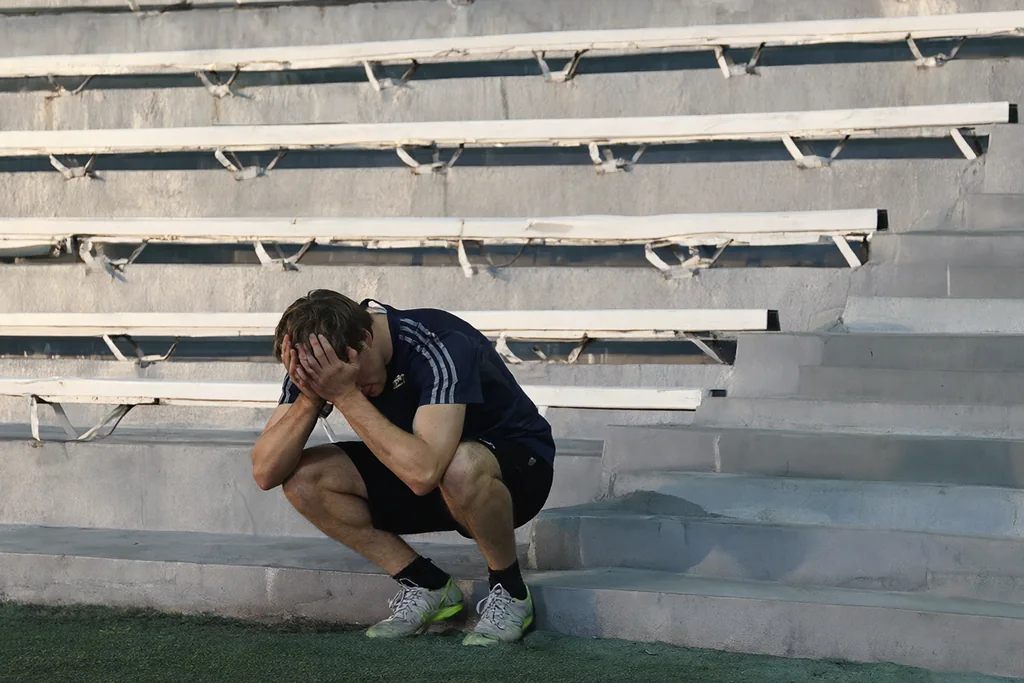
A sports scholarship raises the stakes of every training session. What used to be a hobby becomes a performance with a deadline attached, and the people around a young athlete begin to measure progress in numbers: rankings, selection lists, personal bests, minutes played. Pressure itself is not the problem. Sport is built on it, and most athletes learn to use a certain amount of it. The difficulty starts when pressure never switches off, arrives from several directions at once, and leaves no room to recover.
Where the pressure actually comes from
It is rarely one person. Pressure is a mixture, and each part speaks its own language.
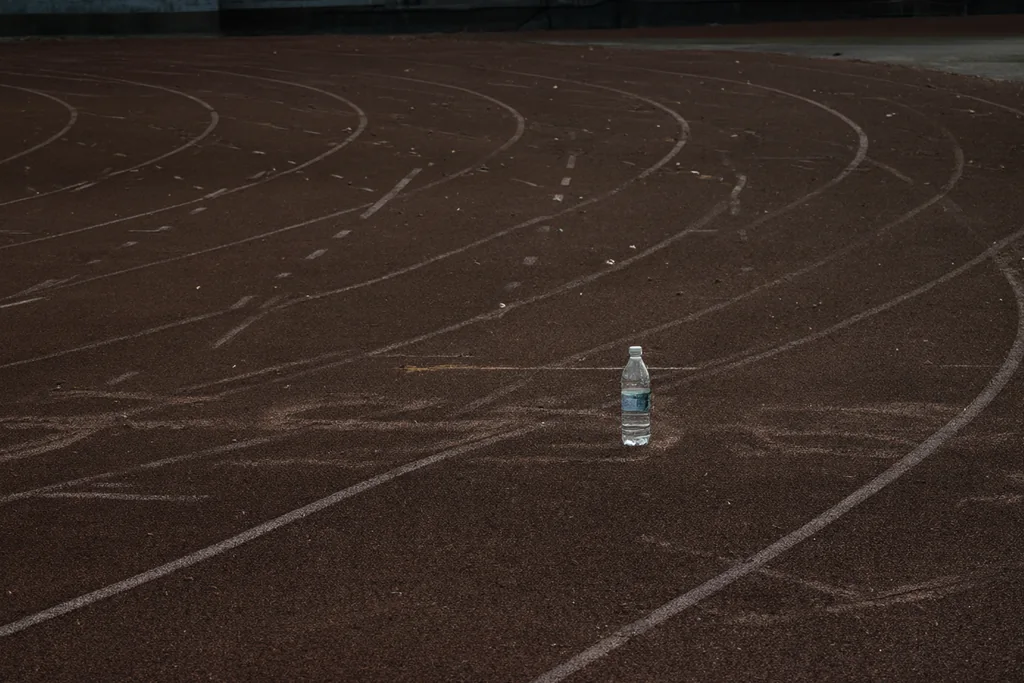
Family
Parents pay for travel, drive to training and reorganise family life around a competition calendar. That investment is generous, and it can turn into a debt the athlete feels obliged to repay. A parent who asks "how did the coach rate you today?" after every session is not cruel, but the question turns a training day into an audit.
The coach
Coaches are judged on results, and a scholarship athlete is part of those results. Selection decisions, position changes and blunt feedback carry extra weight when a place in the squad is tied to funding. Constant evaluation without explanation wears an athlete down.
Rankings and selection lists
Rankings turn a long development process into a weekly verdict. A junior who drops five places has usually not become a worse athlete overnight, but the table says otherwise, and the table is public.
Social media
Highlight reels create a permanent comparison. An athlete sees the best ten seconds of a rival's season and measures it against an ordinary Tuesday of their own training. The result is a background hum of "not enough" that follows them off the field.
What burnout looks like from the inside
Burnout is not the same as being tired, and it is not a character weakness. Athletes who describe it usually mention a cluster of experiences rather than one dramatic moment.
- Training feels flat: sessions that used to be enjoyable become something to be endured.
- Performance stalls or falls even though the work has not changed, or has increased.
- Sleep becomes unreliable — falling asleep late, waking early, never feeling restored.
- Small injuries accumulate and take longer than expected to settle.
- Irritability appears at home and in the team, often over things that would not have mattered before.
- The athlete starts avoiding the people who ask about sport, and then starts avoiding the sport.
These are descriptions, not a diagnosis. Persistent low mood, loss of appetite or a sense of hopelessness is a reason to involve a doctor or a qualified mental health professional. It is never a reason to train harder.
What can change in the schedule and the load
Most conversations about burnout begin too late, when the athlete is already exhausted. The useful work happens earlier, and it is mostly administrative rather than heroic.
Start with the week. Write down training, travel, study and sleep, then look for the block that has quietly disappeared. In most student-athlete schedules that block is sleep, and it should be the first thing restored rather than the last. Study usually ends up in the hours after training, when concentration is weakest — the pattern described in balancing school and sport.
Then look at the load. A coach can often reduce the volume of one session, move a heavy day away from an exam, or replace a session with recovery work. These are ordinary parts of programme management, and asking is not an admission of weakness.
| Stage of the season | What is usually happening | What helps |
|---|---|---|
| Pre-season | Expectations are set high and everything feels possible | Agree targets and a study plan before the first competition |
| Mid-season | Travel, assessments and training overlap | Protect sleep and cut one session in the heaviest weeks |
| Results dip | The ranking falls and confidence follows it | Review the plan with the coach instead of adding volume |
| Injury | Training stops and the daily structure disappears | Keep a study routine and a role inside the team |
| End of season | Fatigue peaks exactly when exams arrive | Reduce the load deliberately, not after a collapse |
When to look for help
The threshold is not "when it becomes serious", because by then the athlete is often unable to organise help. A more practical rule is duration and spread: if the flat feeling has lasted weeks, if it has moved into study and friendships, or if eating and sleeping have slipped, that is the moment to speak to someone.
There are usually more options than expected: the club or university doctor, a student welfare service, a sports psychologist, a tutor, or a family doctor outside the sporting system. Choosing a person outside the team can be easier, because it removes the fear that a confession will cost a place in the squad.
Talking to a coach
Conversations with coaches go better when they are specific. "I am exhausted" invites a motivational speech; "I am sleeping five hours and my times have dropped for three weeks, can we change Tuesday?" invites a decision. Bring facts, name one change you are asking for, and propose a date to review it.
Raising it before a selection period reads as management; raising it afterwards reads as an excuse. The same logic applies to the first meeting with a coach before enrolment, covered in interviews and coaches.
Talking to parents
Parents are usually the people most afraid of a young athlete giving something up, and the least informed about what the daily load looks like. A short, factual description of a normal week — hours of training, hours of travel, hours of study, hours of sleep — often changes the conversation more than an argument about ambition.
It is also fair to name the support that helps: a lift home instead of a post-match analysis, help with a form instead of a question about the ranking. Most parents respond well to being given a job.
A workable standard
No athlete trains without pressure, and a scholarship always carries conditions. The realistic goal is not a pressure-free season but one in which pressure is visible, shared and adjustable — where the athlete can name what is pressing on them and at least one adult knows the full picture.
The warning sign is silence. When a young athlete stops mentioning training at home, stops asking the coach questions and stops seeing teammates outside the schedule, the load has already become private. That is the point to reopen the conversation — and if the sport has stopped being worth it, the honest option of stepping away is described in life after sport.
Read next
The Influence of Sports Scholarships
What changes for an athlete and a family once a scholarship is awarded.
Balancing School and Sport
Timetables, travel, missed classes and the support services that help athletes cope.
Life After Sport: Education as a Safety Net
Why the degree matters when a career ends early and how to plan for the transition.