
Interviews and Talking to Coaches
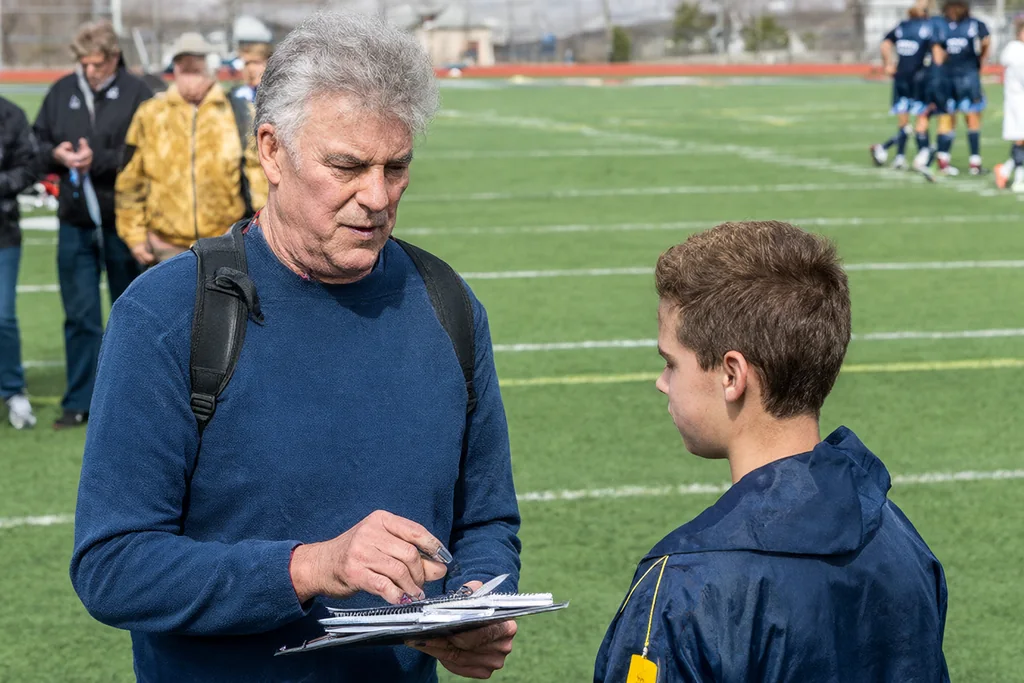
Conversations with coaches decide more scholarships than any single performance. A coach is not only judging an athlete's level; they are judging whether this person will fit a training group, cope with a study programme and behave reasonably when things go badly. Knowing what the conversation usually contains makes it far easier to prepare, and easier to recognise an honest offer from a vague one.
What coaches actually want to know
Most coaches ask four things in some form. How good is the athlete now, and is the level moving up or flat? How much can they improve in the time available? Is the academic record strong enough to stay eligible? And what kind of person is joining the group?

Notice that three of the four questions are not about talent. A coach who rejected a stronger athlete in favour of a more reliable one is not being unfair; they are protecting the team and the study programme at the same time.
Preparing a short, factual introduction
The first message and the first call should use the same structure: who the athlete is, the sport and position or event, the current level with verifiable results, the academic year and study interest, and the language situation. Then a link to the profile and an offer to provide documents on request.
Keep it short enough to read in a minute. Coaches receive a large number of messages, and the ones that state the facts immediately are the ones that receive replies.
Talking about weaknesses honestly
Questions about injuries, missed seasons or a drop in results will come. Answering honestly and briefly builds credibility; hiding a medical history or an interrupted year damages it permanently, and the truth usually emerges during the medical examination or the eligibility review anyway.
Where there is a real weakness, pair it with information: what was done about it, what the current status is, and what the plan is. Coaches are used to imperfect records. They are less used to surprises.
What an offer conversation should cover
- The value of the award and what it includes: tuition, accommodation, meals, equipment, travel.
- The duration and the renewal conditions, in writing.
- The academic requirements that must be maintained.
- The training and competition load in a normal week.
- Medical support and what happens in case of injury.
- Who coaches the athlete directly and what the training group looks like.
- The next steps and the deadline for a decision.
Reading the different kinds of answer
| Answer | What it usually means | Reasonable next step |
|---|---|---|
| A written offer with conditions | A place is genuinely available | Read the conditions and compare with other offers |
| Interest, but no figures | The budget or the position is not confirmed | Ask directly what is available and by when |
| A request for more video | Genuine evaluation, not yet a decision | Send the requested material promptly |
| A suggestion to try again next year | The level or the timing is not right | Ask what would need to change specifically |
| Silence after several attempts | No place, or no programme interest | Move on and pursue other targets |
Interviews with admissions offices
The academic interview is a different conversation from the sporting one. Expect questions about motivation for the subject, previous study, study habits alongside training and how the athlete plans to manage the workload. Prepare examples rather than adjectives, and be ready to explain any gaps or changes of direction in the school record.
It also helps to ask questions yourself: how exams are organised during the season, whether flexible arrangements exist, who the contact person for student-athletes is. Those questions signal seriousness and produce answers that make the decision easier.
Keeping the relationship professional
Answer messages, meet deadlines and inform the coach if the situation changes. If a decision goes elsewhere, say so politely and promptly; coaching communities are small, and the person who remembers a calm, honest candidate may be the one recruiting again two years later.
Finally, verify everything important in writing. Award values, renewal conditions and deadlines are set by the institution, and they can change between the conversation and the contract. A friendly call is not a commitment, and only the official document defines what has actually been offered.
Read next
How to Get a Sports Scholarship
The realistic route from a strong local record to a signed scholarship offer.
Eligibility Requirements Explained
Age, academic and amateur rules, and the documents that prove each of them.
The Application Process Step by Step
Timeline, video material, transcripts and the paperwork that must arrive on time.