
Balancing School and Sport
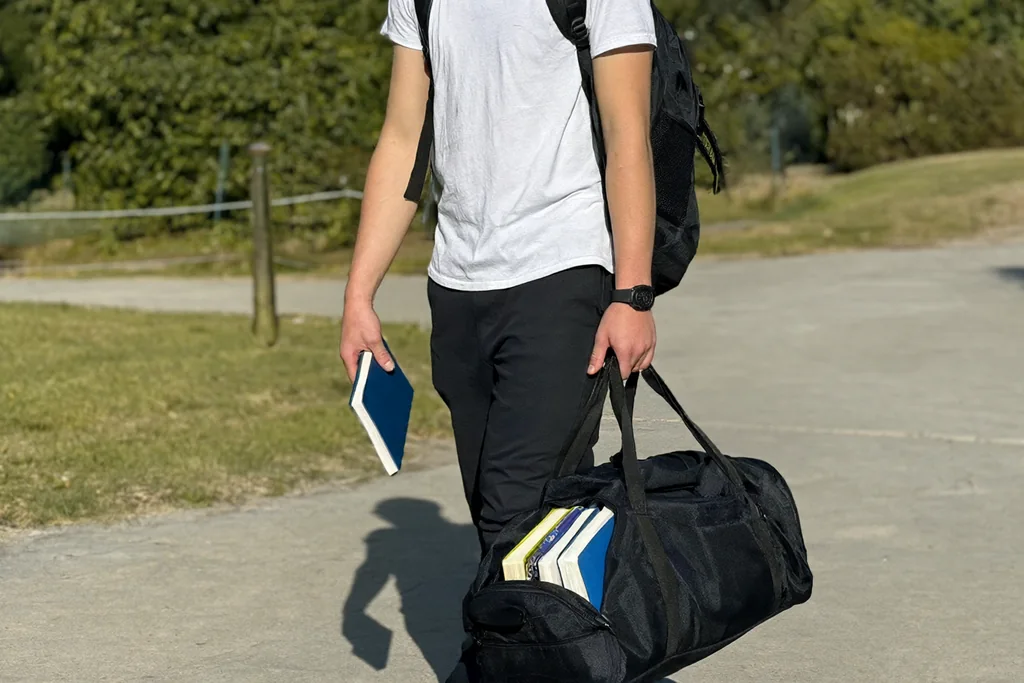
The daily reality of a student-athlete is a timetable problem. Training, travel, lectures, laboratory work and exams all compete for the same hours, and a scholarship does not create extra time; it formalises the conflict. Learning to balance the two sides is a skill in itself, and it is the skill that most often decides whether a scholarship is renewed.
Why the first semester decides the year
In the first weeks, most student-athletes try to do everything: full training, full attendance and a full social life. Something breaks, and it is usually sleep or study. By the time the first exams arrive, habits are already formed, and repairing them takes far more effort than forming them correctly.
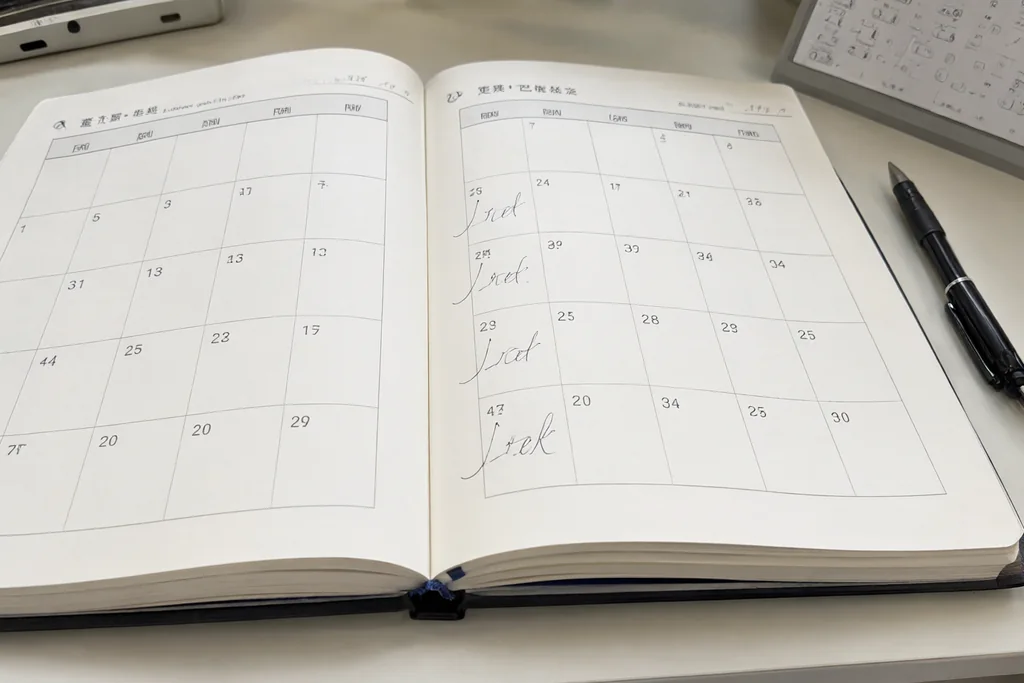
The practical approach is to design the week before it starts. Identify the fixed training blocks, then place study sessions next to them, using the dead time around training rather than the hours after it, when concentration drops.
Support services worth asking about
Most institutions with a serious sporting programme have structures for exactly this problem, but they are not always advertised. Common instruments include flexible attendance during competition periods, individual exam arrangements, tutoring, additional study years and a named contact person for student-athletes.
These arrangements usually have to be requested formally and often before the semester begins. Asking in the first week is normal and expected; asking after failing an exam is much harder to accommodate.
Travel: the invisible study time
Away matches and training camps remove whole days, and the study time they consume is rarely planned for. The workable response is to treat travel as a working environment: prepare material that can be read in short blocks, keep a lighter subject for the journey and plan a recovery session on return rather than an immediate sprint.
It also helps to tell teachers in advance. A short message before the season begins, with the competition calendar attached, prevents most misunderstandings later.
Practical habits that hold up
- Keep one calendar for everything, including training, travel, lectures and deadlines.
- Protect sleep before adding extra sessions; recovery is part of training.
- Prepare for exams in blocks across the semester instead of the final two weeks.
- Use the dead hours around training for short, mechanical tasks.
- Tell teachers and tutors about the competition calendar at the start of term.
- Review the balance once a month and adjust before the problem becomes a crisis.
How the two sides interact in practice
| Situation | What happens in sport | What happens in study | What to arrange |
|---|---|---|---|
| Competition season | Training and travel intensify | Attendance becomes irregular | Advance notice and flexible schedules |
| Examination period | Sessions must be reduced | Study load peaks | Agreement with the coach before the period starts |
| Injury | Training changes shape | An opportunity to catch up | Updated rehabilitation and study plan together |
| Long away trip | Full days lost to travel | Material has to be prepared in advance | A travel study kit and a light subject for the journey |
| Final year | Ambitions peak | Dissertation and graduation | An honest conversation about priorities |
When the balance fails
Failure is usually visible early: missed mornings, falling grades, irritability, a reluctance to talk about either side. The mistake is to treat it as a lack of character. It is almost always a scheduling or support problem, and it is solvable with an honest conversation with a coach, a tutor or the student-athlete contact.
Institutions differ in how much flexibility they can offer, and some are more accommodating than others. That is worth checking before choosing a programme rather than after enrolling in one.
A realistic standard
Perfect balance does not exist. There are weeks when sport takes everything and weeks when exams do. What matters is that the overall plan holds: credits accumulate, the academic threshold is respected and the athlete remains healthy enough to train.
Judge the balance over a semester rather than a week. If the degree is progressing, the training is consistent and sleep is not permanently sacrificed, the arrangement is working. If two of those three are failing, it is time to use the support structures and to talk to the people responsible for student-athletes at the institution.
Read next
The Influence of Sports Scholarships
What changes for an athlete and a family once a scholarship is awarded.
Pressure, Burnout and Mental Health
How high training loads and constant evaluation affect athletes and where to find help.
Life After Sport: Education as a Safety Net
Why the degree matters when a career ends early and how to plan for the transition.