
Olympic and Less Common Sports
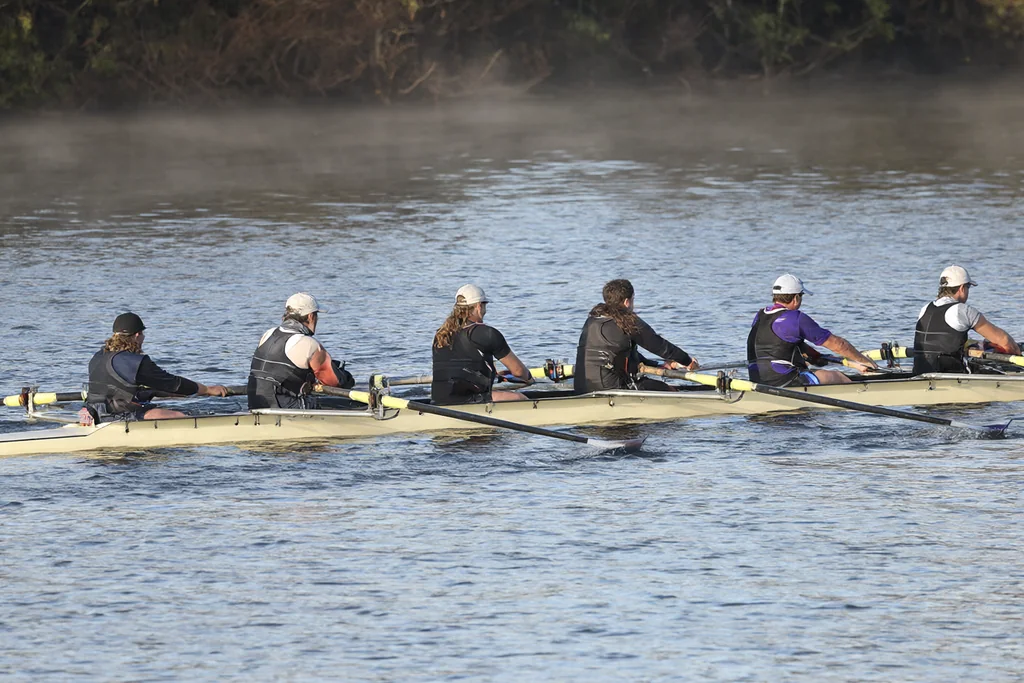
Most scholarship advice is written about football, basketball and soccer. Yet a large share of the athletes who study abroad compete in sports that never fill a stadium: rowing, fencing, judo, wrestling, sailing, badminton, table tennis, canoeing, modern pentathlon, shooting, archery, skiing. The money in these sports exists, but it comes from different places and follows a different logic — often a federation rather than a coach, and often a national programme rather than a university department.
Where the money sits outside the big sports
Funding for a smaller sport usually comes from three sources that rarely talk to each other: the national federation, which supports athletes in the international pathway; the university, which may fund a team because the sport is part of its competitive programme; and general academic or need-based aid, which is not athletic at all but can be the largest part of the package. An athlete who approaches only the university misses the federation, and often the aid office as well.
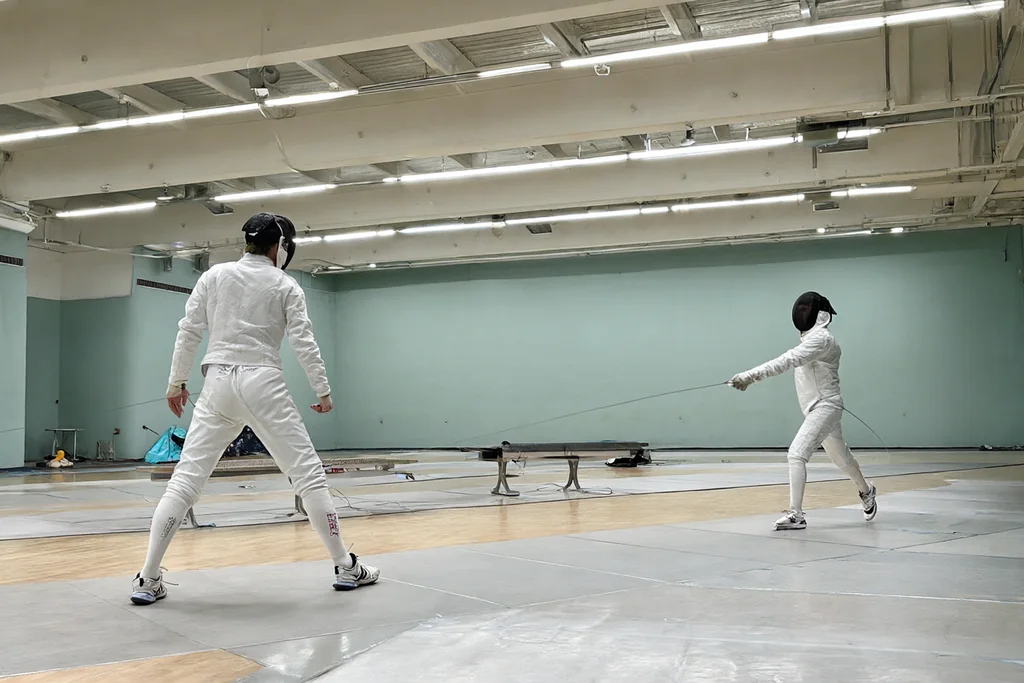
Sports that are expensive to run, such as rowing, sailing or equestrian, tend to concentrate at institutions with facilities and donors. Sports with a strong Olympic tradition but a small professional market, such as wrestling or judo, often depend on a federation that keeps a pool of athletes in training and looks for universities willing to take them.
National federations as a funding channel
What federations typically provide
Federations support training, coaching, travel to championships, medical backup and sometimes a stipend. Some also run agreements with universities, or write letters that carry real weight with admissions offices, because a federation can confirm a competitive level that a coach abroad cannot assess alone. What they rarely provide is tuition.
What federations expect in return
Support usually comes with obligations: attendance at national camps, participation in specified competitions, availability for team events and compliance with anti-doping and registration rules. These commitments can collide with a university calendar, and the conflict should be discussed before the athlete leaves, not during the first season abroad.
The Olympic pathway and university eligibility
Competing at an Olympic or world championship level and studying at a university are compatible, but the combination has administrative consequences. Competition rules may limit appearances, paid prize money or professional status, and university eligibility rules may treat federation support differently from sponsorship. Two bodies can therefore give contradictory answers, and both can be right within their own rulebook.
The safe approach is to declare everything in writing to both sides: federation support received, prize money, contracts, appearances. Undeclared support discovered later is the most common reason a season ends in an eligibility hearing. For the academic side of the file, the same documents matter as for any other athlete — see eligibility requirements.
Small sports inside universities
A university that fields a team in a minor sport is often a particular kind of institution: one with a long tradition in that sport, or one in a country where it is nationally popular. Rowing in the United Kingdom, wrestling in the United States, handball in parts of Europe and skiing in the Nordic countries all follow this pattern. Because the squads are small and the budgets modest, places are few — but competition for them is also thinner than in the major sports.
Where a university has no team, a club may exist with coaching but no funding. That is not a scholarship route, though it can still be a reason to choose an institution, and club results sometimes open a door to federation support later.
Building a case when your sport is barely funded
A coach in a small programme has little budget and no scouting network, so the file must do the work of a scout. That means verifiable results, a ranking from the federation, video, and a short statement of what the athlete would add to a squad that may have only a handful of members. A recommendation from a national coach is worth more here than in any other branch of recruiting.
The file itself should be short and verifiable:
- A ranking or results sheet issued by the national federation.
- Video of full performances, with the scoreboard or the clock visible.
- A letter from a national coach who knows the athlete's level.
- Academic documents in parallel, including certified translations.
- A short note on what the sport demands physically, written for a coach outside it.
Widening the definition helps too: a rower can be assessed as an endurance athlete, a martial artist as a strength prospect, a sailor as a candidate for a physically demanding squad. Coaches in small programmes often recruit across related disciplines, and an athlete who names the transferable qualities is easier to place.
How support is usually structured in smaller sports
| Level | Who usually funds it | What they look for | What to confirm |
|---|---|---|---|
| National federation programme | Federation, sometimes with public sport funding | International results and future potential in the Olympic cycle | Obligations, camps, and whether tuition is excluded |
| University team in a minor sport | Athletic department, often a small shared budget | Ability to score in the team's competition and stay eligible | Roster size, award share, and renewal conditions |
| University club without funding | Membership fees and the students themselves | Commitment and enough members to compete | Whether any support can appear in later years |
| Academic or need-based award | Admissions office and financial aid office | Grades, test results, family finances | Whether it can be combined with athletic money |
| Combined package | Two or three of the above at once | Everything above, assessed separately | Which office confirms each part, and when |
Smaller sports reward preparation more than visibility. Nobody will discover a fencer or a canoeist by accident, so the athlete has to arrive with a documented level, a federation contact and a realistic list of institutions that field the sport. Rules on amateur status, competition limits and award structure differ by federation, conference and institution, and are revised between Olympic cycles. Confirm each one with the federation and the university for your year of entry, and take the written answer as the basis for a decision. Related reading on how awards are built in the major sports is in kinds of sports scholarships.
Read next
Kinds of Sports Scholarships
Full and partial awards, equivalency funding and how each type is divided.
Team Sports: Football, Basketball, Volleyball
Why team sport recruiting is the most visible and the most competitive.
Individual Sports: Athletics, Swimming, Tennis
Measured results, rankings and how individual athletes are compared.