
College Sports in the United States
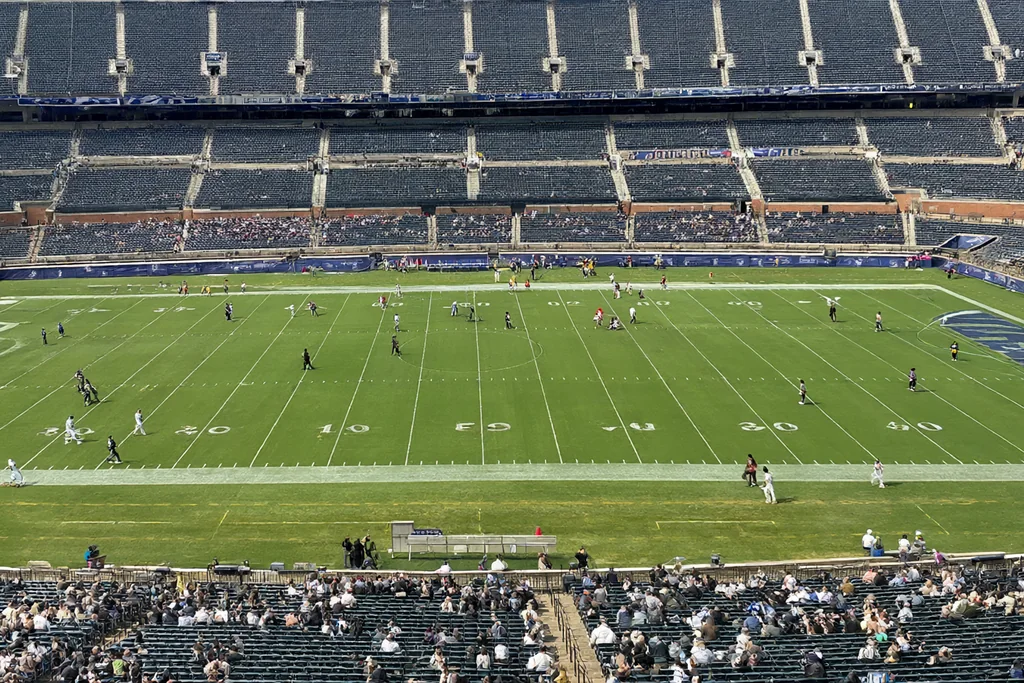
College sport in the United States is one of the largest organised systems of student athletics in the world, and it is often the first thing families picture when they hear the words sports scholarship. The system is large, but it is not one door. It is a set of divisions, rules and calendars that differ by institution, and understanding those differences matters more than knowing any single name. This page explains how the model is organised and what a candidate should expect from it.
The basic structure
Colleges and universities run their own athletics departments. Those departments are grouped into divisions and conferences, and each group sets its own rules on recruitment, practice hours, funding and eligibility. An institution in a highly visible division may fill stadiums and broadcast matches, while an institution elsewhere in the same country offers a quieter environment with the same academic degree at the end.
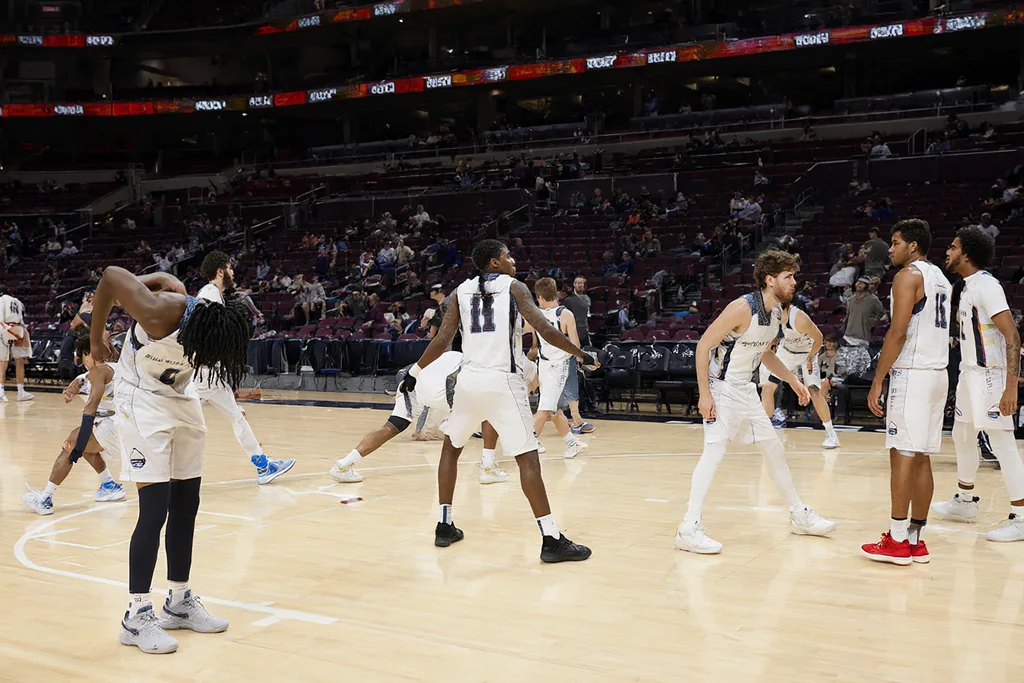
The important point for a candidate is that the label of the division describes the scale of the programme, not the quality of the education. Many students find the best balance of sport and study outside the most famous leagues.
Eligibility centres and the academic record
Eligibility is the part of the American model that surprises European families most. Before an athlete can compete, an eligibility centre must confirm that school grades, completed courses and amateur status meet the published standard. Transcripts are translated, evaluated and checked. This is an administrative process with deadlines, and it runs in parallel with admission and with recruiting.
Two consequences follow. First, grades matter from the first year of secondary school, not from the final one. Second, paperwork must be started early, because a missing transcript can delay a season even when a coach wants the athlete immediately.
Amateur rules and the recruiting calendar
College rules protect amateur status in ways that are specific to the country. Whether an athlete has received payment, signed a professional form or played in a league with salaried players can all affect eligibility. The rules also define when coaches may contact a candidate and when a candidate may be contacted, and these periods are fixed by calendar rather than by the parties involved.
Recruiting therefore has a rhythm: evaluation, unofficial contact, official visits and finally a written commitment. Athletes who understand this calendar plan their season around it, and athletes who do not often learn about deadlines months too late.
What an American offer usually contains
- An academic admission decision, which is separate from the athletic decision.
- An athletic award, which may be full or partial depending on the sport and the programme.
- A renewal condition, normally linked to performance, grades and conduct.
- A set of team obligations: training hours, travel, medical checks and team rules.
- A defined period of the award, usually one academic year at a time.
Comparing the three common levels
| Level | Scale of the programme | Funding practice | What to check |
|---|---|---|---|
| Largest divisions | Broadcast events, large stadiums, full-time staff | Awards are common in major sports | Realistic level required and the practice load |
| Middle divisions | Regional competition, smaller venues | Partial awards and shared funding are typical | Whether an award can be renewed each year |
| Smaller colleges | Local competition, strong study focus | Academic support often leads, sport follows | Total costs after every source of aid is counted |
The honest advantages and the honest costs
The advantages are real. Facilities, coaching and medical support are usually well organised, the competition level is high, and the degree is internationally recognised. Athletes also learn a professional approach to training, scheduling and teamwork that is difficult to acquire elsewhere.
The costs are equally real. The academic load continues during the season, travel removes study time, and a scholarship is renewed annually. An injury can change everything in a single match. Families should plan for the possibility that the sporting part of the plan stops earlier than the academic part.
How to approach the process
Begin with an honest sporting assessment: competition results, physical data and video that shows decision-making, not only highlights. Then build a list of institutions where the athlete is genuinely competitive, rather than a list of famous names. Contact coaches with a short, factual message and a link to the profile, and keep every document ready to send.
Finally, treat the coaches and admissions offices as the only authoritative sources. Divisions, rules and deadlines are published by the organisations that enforce them, and they change. A guide explains the shape of the system; it cannot confirm what any particular institution will decide this year. Verify every requirement, in writing, before committing to a move that affects the next four years of a young person's life.
Read next
Countries With Sports Scholarships: An Overview
The main systems that fund student-athletes, how they are organised and what to compare.
Sports Scholarships in Europe
University sport in Europe: national programmes, dual careers and how support is arranged.
How to Choose a Country for Your Studies
Language, cost, competition level and study options: a decision checklist for families.