
NBA Academy and Global Campuses: How Elite Training Is Built
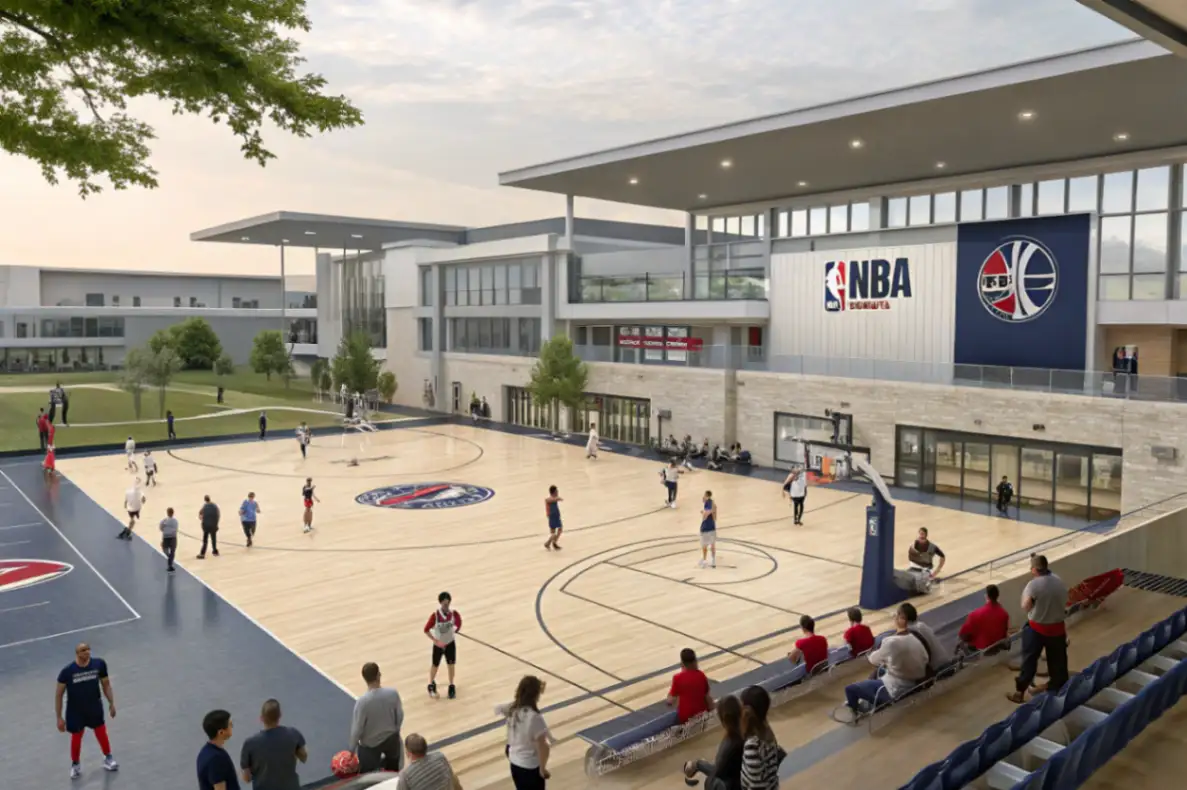
Elite development for young basketball players today goes far beyond traditional sports schools. NBA Academy and its global campuses represent a new training format that combines high-tech coaching, academic support, and international opportunities. These programs don’t just teach technique — they shape the future of professional basketball by creating an environment where talent can grow naturally and efficiently.
Below, we take a closer look at how NBA Academy campuses operate, what makes them different from classic development systems, and why they are becoming the standard for preparing global basketball stars.
The Concept of NBA Academy and Its Global Network
NBA Academy was launched as a strategic initiative by the league to identify and develop young players worldwide. Unlike traditional basketball schools, these campuses are built around a multidimensional development model that includes physical preparation, sports science, psychological support, and academic education. A key feature is that campuses serve not only as training facilities but also as learning centers where students receive full academic instruction.
To ensure accessibility for talented athletes from different regions, the NBA has created a network of campuses in Australia, Mexico, Senegal, and India. Each campus follows the same foundational standards but adapts to local infrastructure and youth league dynamics. Players go through rigorous selection, and admission to the Academy often becomes the first major step toward a professional career.
The Structure of Daily Training at NBA Academy Campuses
The daily schedule at the Academy is designed so players can progress in all essential areas — from skills to lifestyle management. Training programs include shooting, off-ball movement, defensive schemes, strength conditioning, and endurance work. Every detail is monitored by coaches with experience in the NCAA, the NBA, and international clubs.
Sports science is a major pillar of the system. Experts analyze biomechanics, workload patterns, and recovery to minimize injuries and improve training efficiency. At the same time, athletes receive psychological support: the ability to manage stress and make quick decisions under pressure is a crucial element of modern basketball.
With global competition increasing, special attention is given to communication and situational awareness. Coaches teach young athletes to adapt to game tempo variations, understand different play styles, and enhance their basketball IQ. This builds the foundation needed for success in professional leagues, where cognitive speed often matters as much as physical ability.
Academic Programs and Their Integration into Athlete Development
NBA Academy places strong emphasis on education because not every talented player reaches the NBA, and athletes need a stable foundation for careers beyond the court. The curriculum includes online classes, in-person sessions, and personalized academic support. This hybrid system allows students to balance demanding training loads with quality education.
Academic programs help athletes develop discipline, independence, and planning — skills valuable both in sports and outside of it. Players learn career development, financial literacy, media communication, and how to maintain physical and mental health. As a result, Academy graduates often show a higher level of maturity and readiness compared to peers from traditional sports schools.
About halfway through the training period, players take part in international tournaments featuring teams from other campuses and partner academies. This boosts competitiveness and prepares them for the diversity of playing styles around the world.
Before moving to the fourth section, it’s helpful to outline the elements that make the Academy unique. To structure the information more clearly, below is a list summarizing the most important features that form the Academy’s competitive advantage. The list is contextual and follows natural explanatory flow.
Among the Academy’s main strengths are:
- comprehensive development combining sports, science, and academics.
- international competitions and exchange of playing experience.
- access to professional coaches and analytical specialists.
- a strong partner network including the NBA, NCAA, and global leagues.
These components help young athletes grow not only as players but also as well-rounded individuals. Having reviewed the program’s qualitative strengths, we can now move on to its global impact.
The Global Impact of NBA Academy’s International Campuses
NBA Academy campuses have become a development engine for basketball in regions that previously lacked professional opportunities. In Africa, Asia, and Latin America, the program has opened new pathways for young athletes who otherwise might have been overlooked due to limited infrastructure. Now thousands of players have the chance to train under world-class standards.
A crucial part of the global project is data systematization and performance evaluation. NBA Academy uses statistical models, GPS tracking, and individual metrics to assess each athlete’s progress. These tools help refine development plans and determine the most effective training methods for different player roles.
To illustrate how training priorities are distributed across campuses, the following table lists the main development blocks players focus on. It includes an introduction before the table and an explanatory paragraph after it to blend naturally into the text. The table shows how the Academy structures its balanced approach to player growth.
Core Development Areas at NBA Academy
| Area | Content | Importance |
|---|---|---|
| Technical Skills | Shooting, dribbling, defense | Build the foundation of playing style |
| Physical Preparation | Strength, endurance, speed | Support professional-level demands |
| Sports Science | Analytics, biomechanics, recovery | Reduce injury risk, boost efficiency |
| Academic Education | School subjects, media, finances | Provide long-term career security |
| Psychology | Stress management, leadership | Build mental resilience |
These areas form a complete development model in which each block supports the others. This integrated structure gives players a competitive edge and prepares them to enter the global stage with confidence.
Prospects and Career Pathways of NBA Academy Graduates
One of the strongest arguments in favor of the Academy is the high rate of graduates who build successful careers. Many continue their development in the NCAA, where they show impressive growth in collegiate leagues. Others join professional clubs in Europe, Australia, or Asia, gaining valuable minutes and competitive experience.
The achievements of Academy graduates highlight the effectiveness of its model: the combination of global vision, individualized development, and international exposure provides a robust foundation for career growth. Additionally, many former students become coaches, analysts, or managers — proving that the Academy’s educational component opens doors to various sectors of the basketball industry.
The conclusion reaffirms the overall message: NBA Academy is not just a training center but an innovative system reshaping the global approach to youth basketball development. Through its international network, integrated academic programs, and reliance on sports science, the Academy is shaping a new generation of players ready to compete at the highest level.
Conclusion
NBA Academy and its global campuses represent a unique training ecosystem that unites sport, education, and technological development. This model not only creates ideal conditions for athletic growth but also builds a sustainable environment shaping the future of global basketball. Students receive not just coaching — they gain the opportunity to build a professional future, developing both as athletes and as individuals. The program’s systemic approach, international collaboration, and constant evolution make NBA Academy a benchmark for modern elite basketball training.